


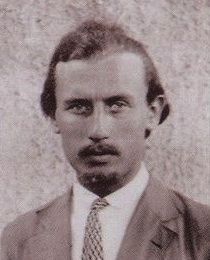
Vinko Glanz
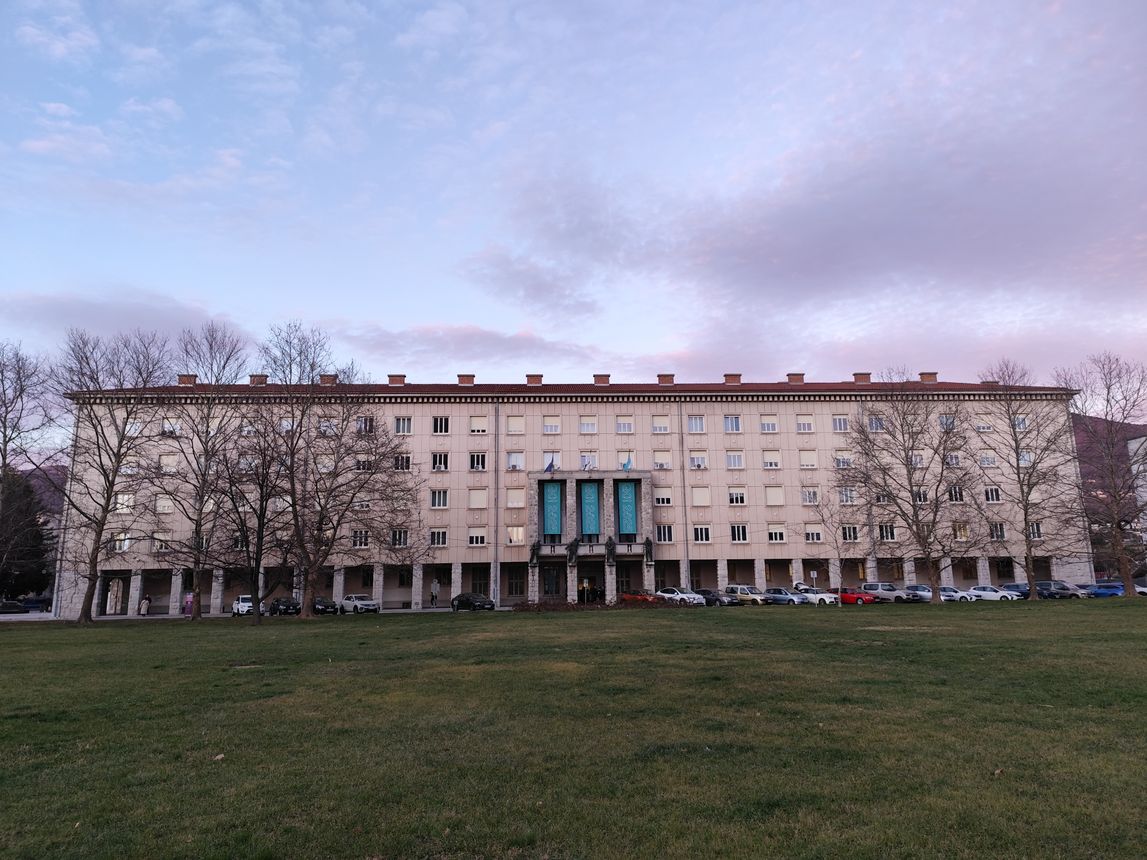
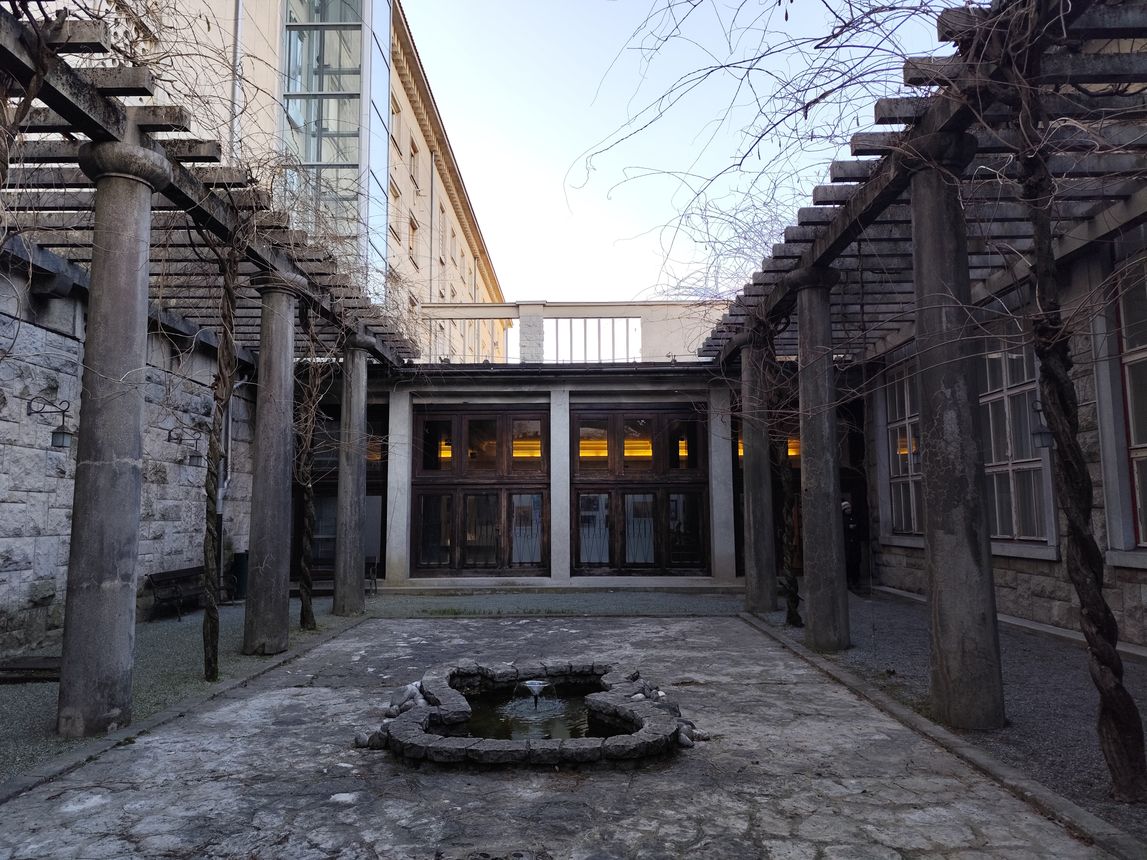
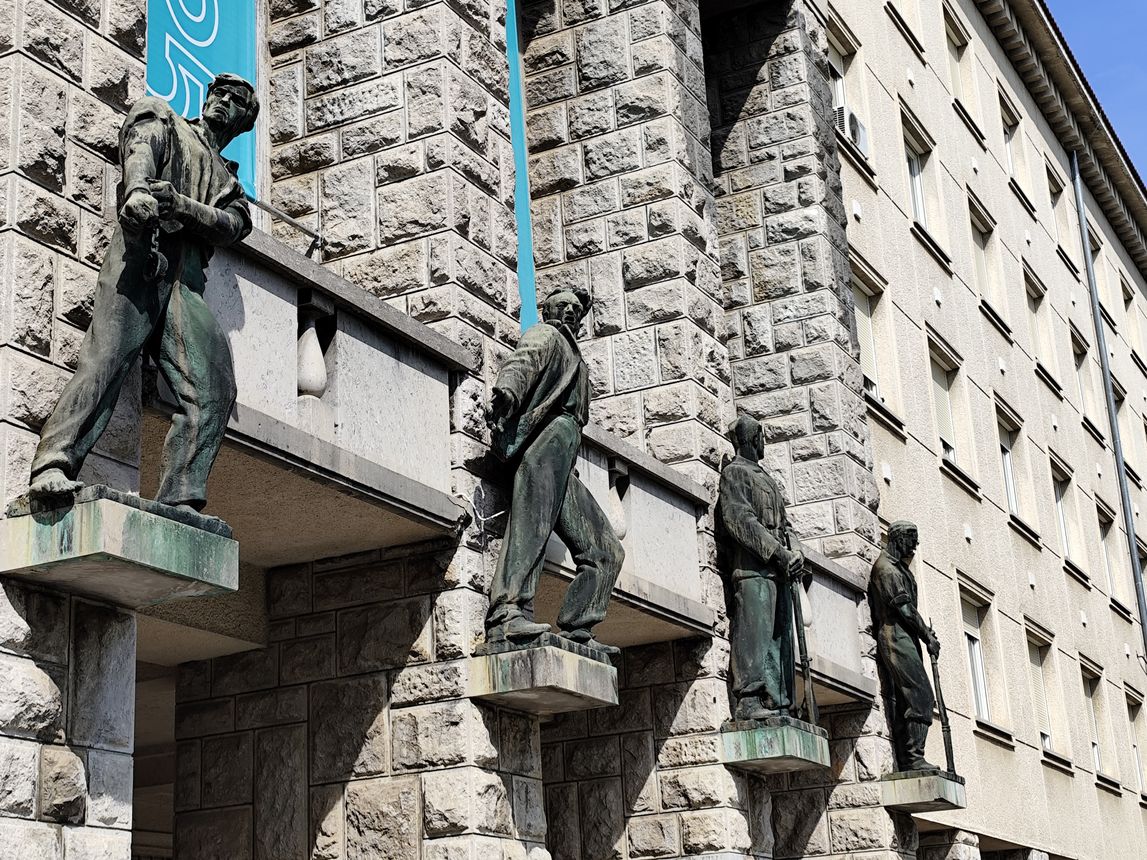
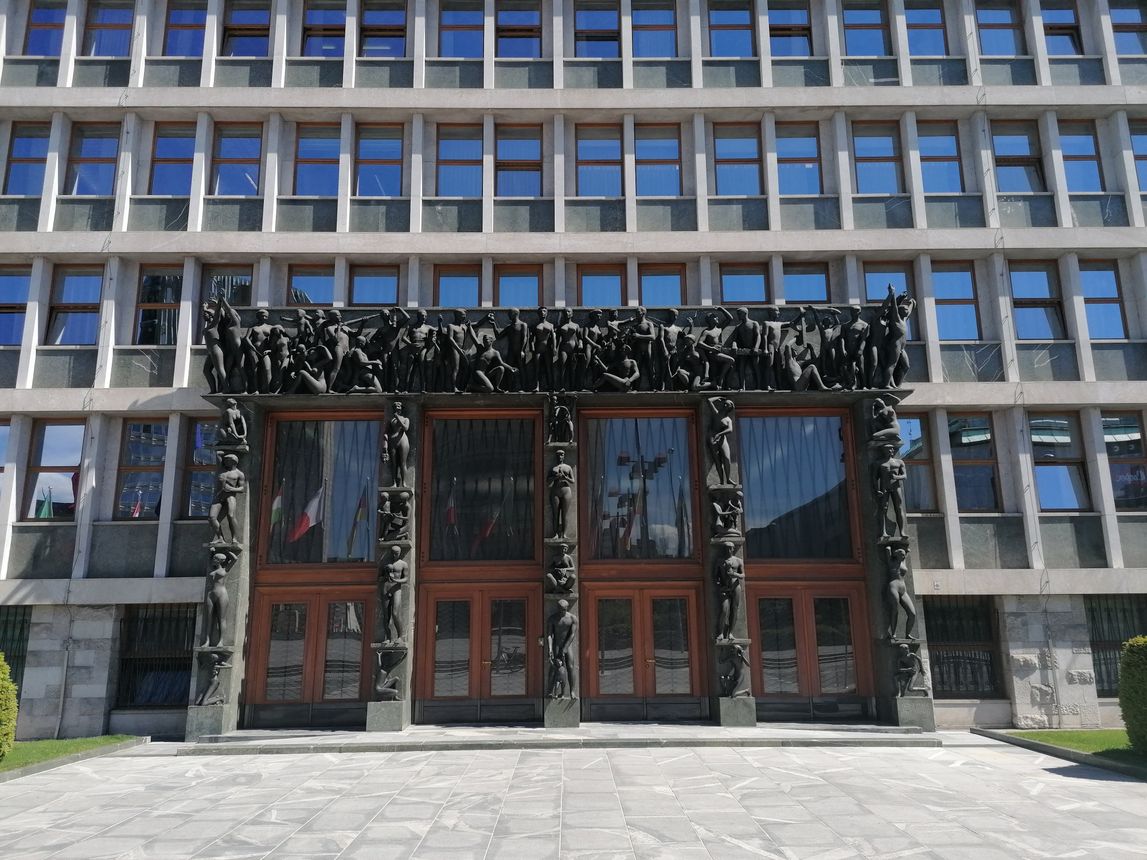
Architect of the Nova Gorica municipal building
After completing high school in Šibenik, he studied naval engineering in Zagreb, and then architecture in Ljubljana under Jože Plečnik, graduating in 1927. He worked with Plečnik until 1929 on plans for Ljubljana, Rab, and Šibenik, after which, on Plečnik’s recommendation, he moved to Dubrovnik to work in the heritage protection service. Following his military service in Sarajevo, he returned to Ljubljana in 1930 and, as an architect for the Drava Banovina, participated in the project of the Jugoslovanski kralj (Slovenski dom) hotel in Rogaška Slatina.
After the Second World War, he was involved in assessing war damage and post-war reconstruction, and was employed at the Design Institute of the Republic of Slovenia and later at the company Slovenija projekt. From 1953 to 1977, he served as a construction advisor to the Executive Council of the Socialist Republic of Slovenia. As a student of Plečnik, drawing was central to his architectural process, and his teacher’s influence is evident in works such as the tomb of Gregor Žerjav and the Trubar monument in Rašica.
After the war, he designed numerous buildings and monuments, including representative structures on the Brioni Islands, the Gramozna jama memorial complex, and various projects across Slovenia and Istria, while also participating in architectural competitions. Among his notable works are also the municipal building in Nova Gorica, Villa Bled, Podrožnik, and the renovation of the Brdo estate near Kranj.
His most important work is the building of the People’s Assembly (today the National Assembly of the Republic of Slovenia), completed in 1959, for which he used predominantly local materials.
Avtor: Manuela Dajnko
Vir:
Excerpt from the article: https://www.novagoricaart.si/osebnost/vinko-glanz/
